The Future of A/c Employees: What You Need to Find Out About Work Opportunities
The cooling and heating sector is going through considerable transformation, affected by innovations in modern technology and a growing focus on sustainability. As energy-efficient systems gain traction, the demand for skilled employees is expected to climb. Future a/c specialists will need to adjust to these modifications. Comprehending emerging trends and important skills will certainly be important for those seeking to flourish in this advancing landscape. What might these changes mean for occupation chances in heating and cooling?
Arising Patterns in the A/c Market
As the demand for power effectiveness and sustainability expands, arising patterns in the a/c industry are reshaping how experts approach their work. The assimilation of clever innovations goes to the leading edge, with intelligent systems permitting for real-time surveillance and control of home heating and cooling processes. This change not only boosts comfort however likewise markedly reduces power consumption. Furthermore, the usage of eco-friendly cooling agents is gaining traction, in reaction to regulatory modifications and a collective press towards greener alternatives.
Additionally, adaptable and modular a/c systems are becoming extra prominent, enabling easier setup and modification to meet certain demands. Training and accreditation in these innovative technologies are essential for HVAC experts to stay competitive in the progressing market. On the whole, these fads indicate a transformative period for the industry, emphasizing the importance of advancement and flexibility in protecting future task possibilities for a/c employees.
Crucial Skills for Future HVAC Experts
Efficiency in essential abilities is essential for future HVAC specialists navigating a quickly developing industry. Technical acumen in locations such as refrigeration, electric systems, and thermodynamics continues to be foundational. Expertise of contemporary heating and cooling technologies, consisting of smart systems and automation, is progressively significant as buildings end up being more interconnected.
Solid troubleshooting skills make it possible for experts to identify and deal with concerns effectively, lowering downtime and boosting customer fulfillment. Communication skills are likewise important, as professionals should frequently clarify complex principles to customers and collaborate with various other trades
In addition, an understanding of safety methods ensures that a/c employees can execute their tasks without jeopardizing safety and security standards. Adaptability is crucial, as the industry proceeds to advance with new regulations and modern technologies.
The Impact of Power Effectiveness and Sustainability
While the demand for heating and cooling solutions proceeds to grow, the emphasis on power performance and sustainability has transformed the market landscape. As environment change problems climb, both customers and regulative bodies are focusing on environmentally friendly services. This change has actually resulted in raised fostering of innovative technologies such as wise thermostats, variable refrigerant circulation systems, and energy-efficient equipment. Heating and cooling specialists are currently needed to possess understanding of these innovations and their installment procedures.
Companies are incentivized to adopt energy-efficient systems via tax obligation debts and discounts, even more boosting need for skilled employees who can apply and maintain these solutions. As firms look for to decrease operational expenses and improve their environmental impact, the function of HVAC technicians is progressing. Recognizing lasting practices not just improves their marketability yet likewise positions them as key factors to a greener future, guaranteeing a pivotal function in the recurring modification towards energy-efficient Full Article building methods.
Job Advancement Opportunities in Cooling And Heating
Countless occupation development chances exist within the cooling and heating industry, mirroring its vibrant nature and expanding demand for experienced specialists. Entry-level technicians can advance to specialized duties, such as installation specialists, service managers, or system developers - HVAC Jobs Only job board. As they acquire experience and accreditations, workers can shift right into supervisory settings, looking after procedures and groups
Continuing education is crucial, with lots of experts going after sophisticated qualifications from organizations like the HVAC Excellence or the Refrigeration Solution Engineers Society. These credentials can enhance work prospects and prospective incomes.

In addition, the surge of green technologies supplies avenues for cooling and heating workers to specialize in energy-efficient systems, additionally broadening their career paths. Opportunities also exist in sales and customer support, where technical knowledge improves customer connections. As a result, the heating and cooling area not just supplies a steady profession but likewise fosters development and advancement, encouraging people to broaden their abilities and experience constantly.
The Role of Modern Technology in Shaping HVAC Jobs
As modern technology remains to evolve, its influence on a/c jobs comes to be increasingly obvious, transforming just how specialists come close to repair, setup, and maintenance jobs. Automation and smart systems have actually revolutionized traditional approaches, permitting service technicians to remotely check equipment and diagnose issues with precision. These developments not just boost effectiveness but likewise minimize downtime, inevitably benefiting both workers and clients.
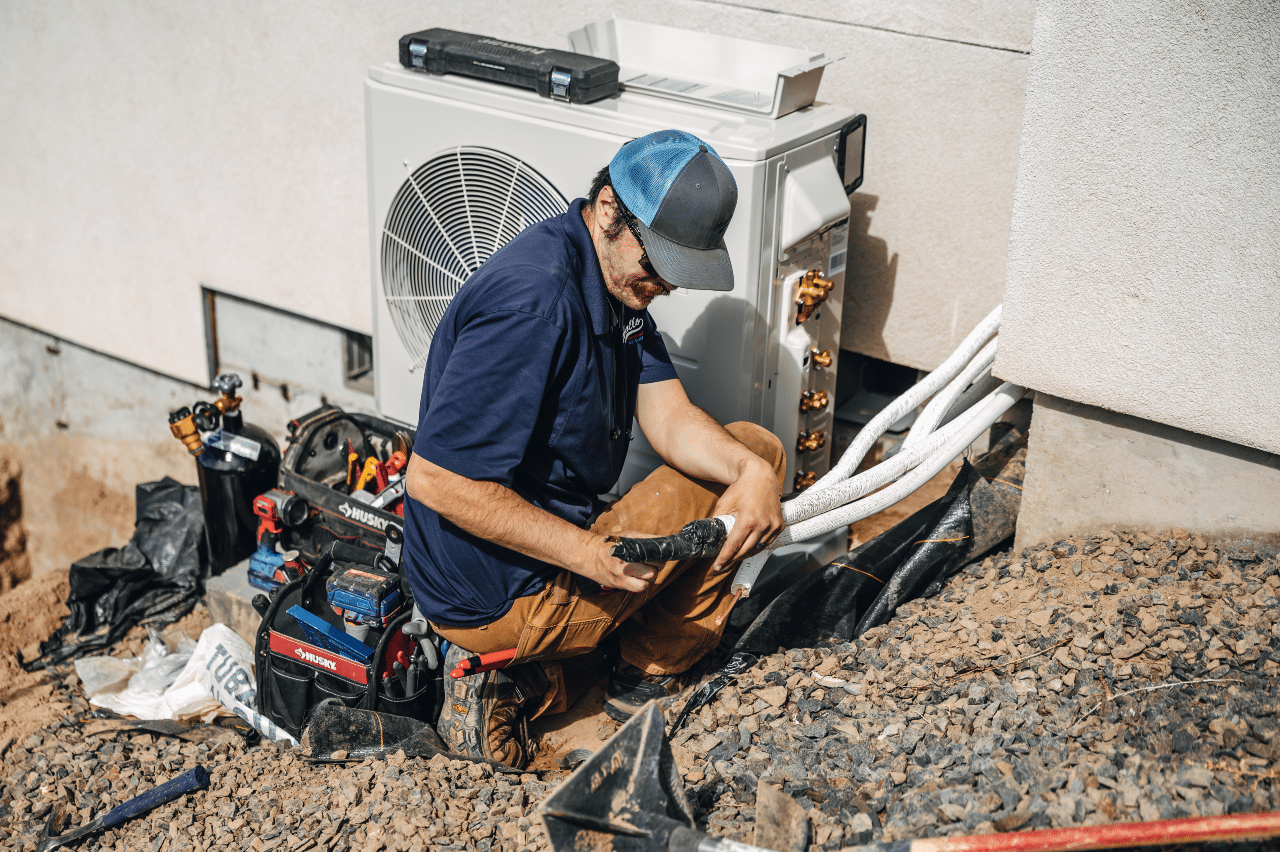
The appearance of renewable energy modern technologies, such as geothermal and solar systems, is broadening task opportunities in the HVAC sector. Consequently, the function of technology is not just a tool for improvement but a catalyst for development and technology within the market.
Frequently Asked Concerns
What Is the Ordinary Income for Heating And Cooling Workers in 2023?
In 2023, the average salary for HVAC employees in the United States is about $50,000 every year - HVAC Jobs Only. Variables such as specialization, experience, and location can substantially affect individual incomes within this occupation
Exist Task Opportunities in Cooling And Heating for Entry-Level Employees?
Yes, there are task possibilities in a/c for entry-level workers. Many firms seek individuals willing to learn, supplying training programs and apprenticeships. This industry proceeds to increase, supplying different duties for novices in the industry.
Just How Does Accreditation Impact Heating And Cooling Task Potential Customers?
Qualification view website greatly enhances HVAC task prospects by showing expertise and commitment to the area. Employers typically prefer licensed candidates, visit site seeing them as more certified, which can result in increased chances and potentially higher wages for certified professionals.
What Geographic Areas Have the Greatest Demand for Cooling And Heating Workers?
The highest need for cooling and heating workers generally exists in city regions with extreme environments, such as the Southwest and Northeast USA. Rapid population development and industrial development also add to raised task chances in these areas.
What Are Typical Job Paths Within the Heating And Cooling Sector?

The HVAC industry is going through considerable makeover, affected by improvements in modern technology and a growing emphasis on sustainability. As the demand for power efficiency and sustainability expands, arising trends in the HVAC industry are reshaping just how professionals approach their work. Efficiency in essential skills is vital for future Heating and cooling professionals maneuvering a quickly evolving sector. Various occupation development opportunities exist within the Cooling and heating market, reflecting its dynamic nature and expanding demand for knowledgeable specialists. Usual career paths within the Cooling and heating sector consist of installment technicians, solution technicians, system design engineers, sales representatives, and Heating and cooling maintenance managers.